



“Herp” is a general term that refers to both reptiles and amphibians. Researchers that study these species are known as herpetologists. This group of animals includes: alligators, anurans (frogs and toads), lizards, salamanders, snakes, turtles, and more. The gallery below contains over 120 photos of reptile and amphibian tracks.
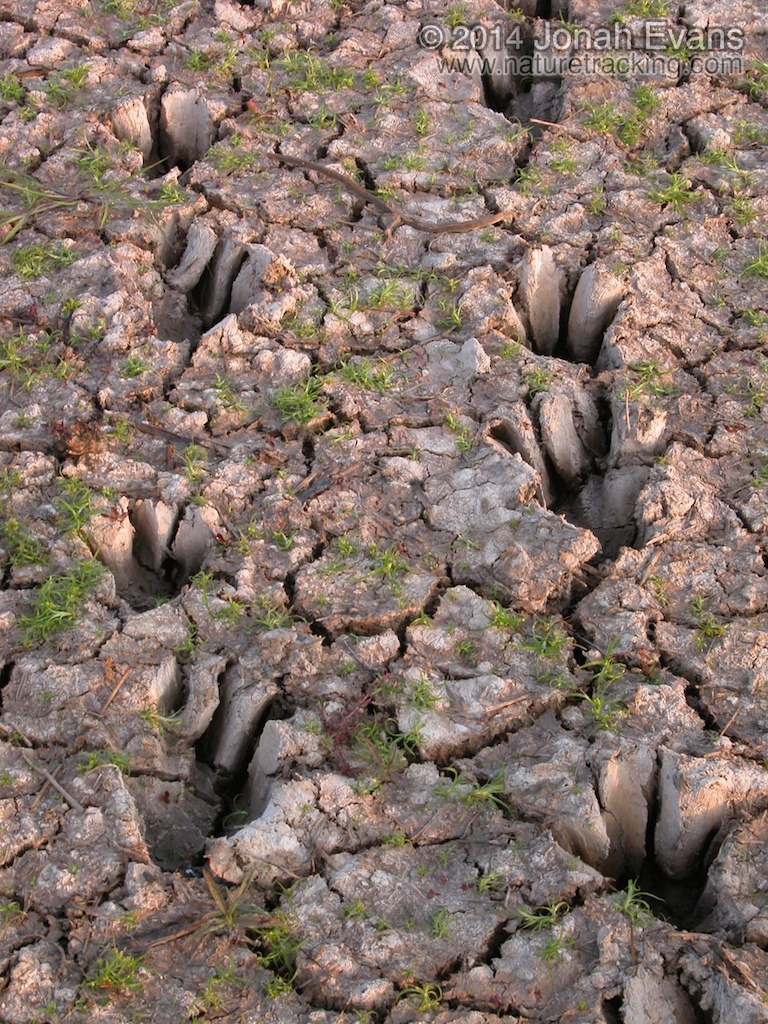
Alligator Tracks

Alligator Tracks

Alligator Tracks

Alligator Tracks

Baby Green Sea Turtle Tracks

Baby Green Sea Turtle Tracks

Baby Green Sea Turtle Tracks

Baby Green Sea Turtle Tracks

Baby Green Sea Turtle Tracks

Baby Green Sea Turtle Tracks

Baby Green Sea Turtle Tracks

Baby Green Sea Turtle Tracks

Baby Green Sea Turtle Tracks
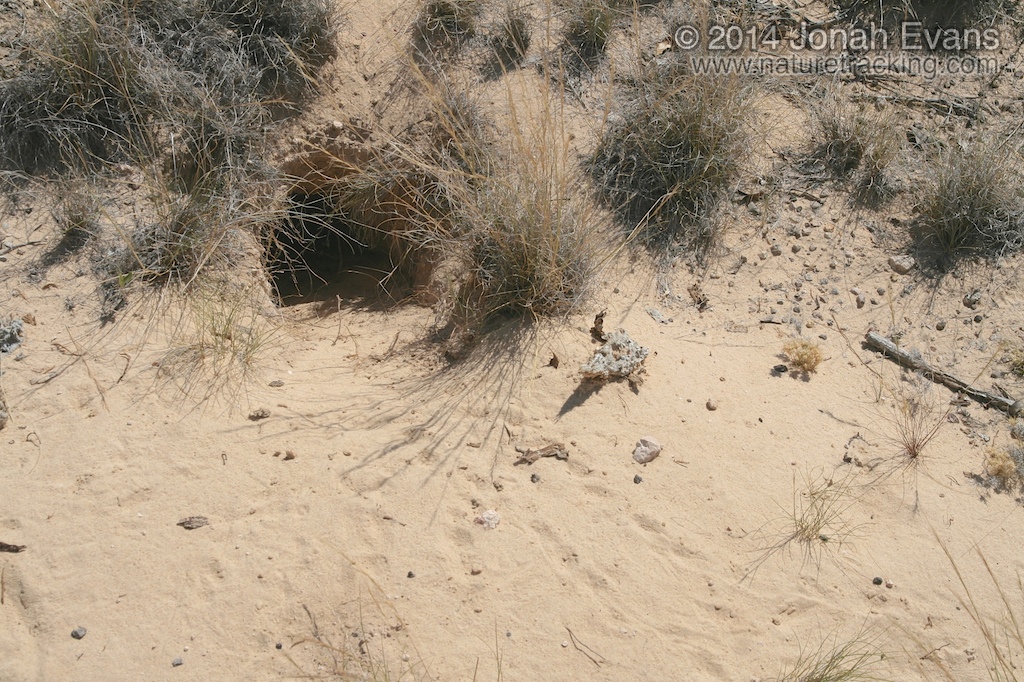
Box Turtle Burrow
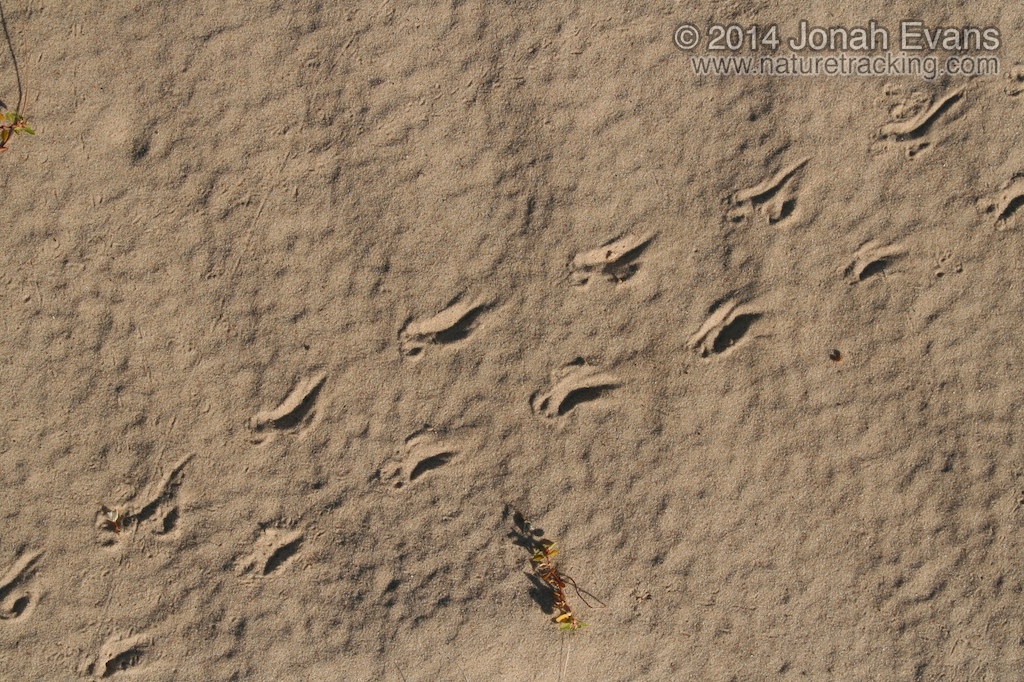
Box Turtle Tracks

Box Turtle Tracks

Bullfrog Tracks

Bullfrog Tracks

Bullfrog Tracks

Bullfrog Tracks

Bullfrog Tracks

Bullfrog Tracks

Caiman Tracks (South America)

Caiman Tracks (South America)

Caiman Tracks (South America)

Frog Tracks

Frog Tracks

Frog Tracks

Frog Tracks

Frog Tracks

Frog Tracks

Frog Tracks

Frog Tracks

Frog Tracks

Frog Tracks

Frog Tracks

Frog Tracks

Frog Tracks

Frog Tracks and Scat

Frog Tracks

Horned Lizard and Merriams Pocket Mouse Tracks

Horned Lizard Tracks and Scat

Horned Lizard Tracks

Lizard and Millipede Tracks

Lizard Claw Marks

Lizard Overstep Trot

Lizard running tracks

Lizard Scat

Lizard Scat

Lizard Scat

Lizard Tracks

Lizard Tracks

Lizard Tracks

Lizard Tracks

Lizard Tracks

Lizard Tracks

Lizard Tracks

Lizard Tracks

Lizard Tracks

Lizard Tracks

Lizard Tracks

Lizard Tracks

Lizard Tracks (South America)

Sidewinder Tracks

Snake Scat

Snake Scat

Snake Tracks

Snake Tracks

Snake Tracks

Snake Tracks

Snake Tracks

Snake Tracks

Snake Tracks
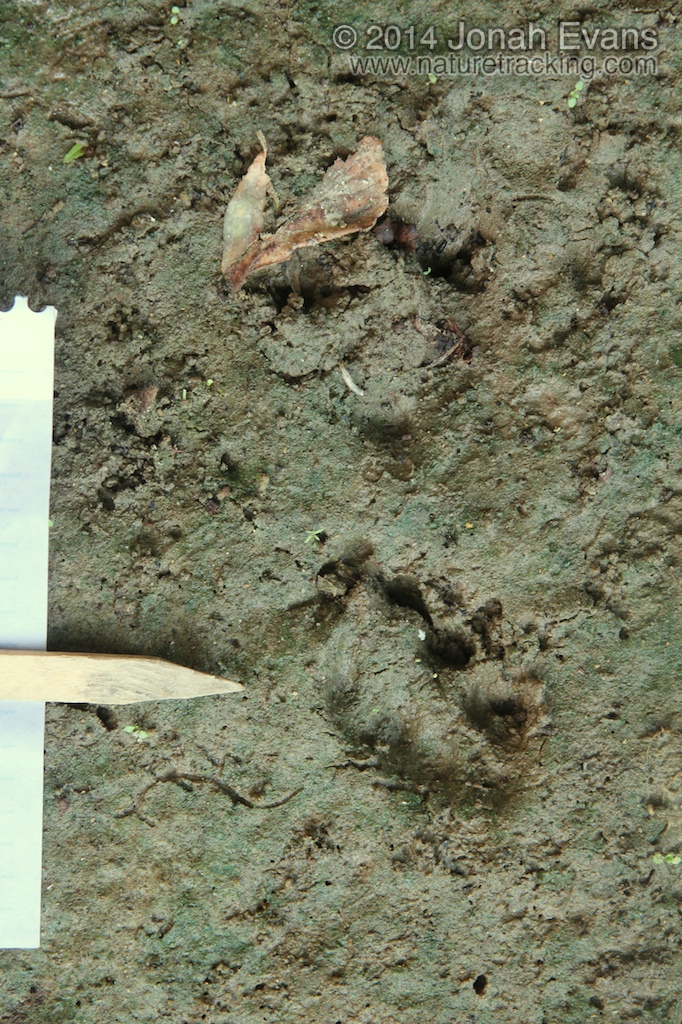
Snapping Turtle Tracks

Snapping Turtle Tracks

Snapping Turtle Tracks

Tiger Salamander Tracks
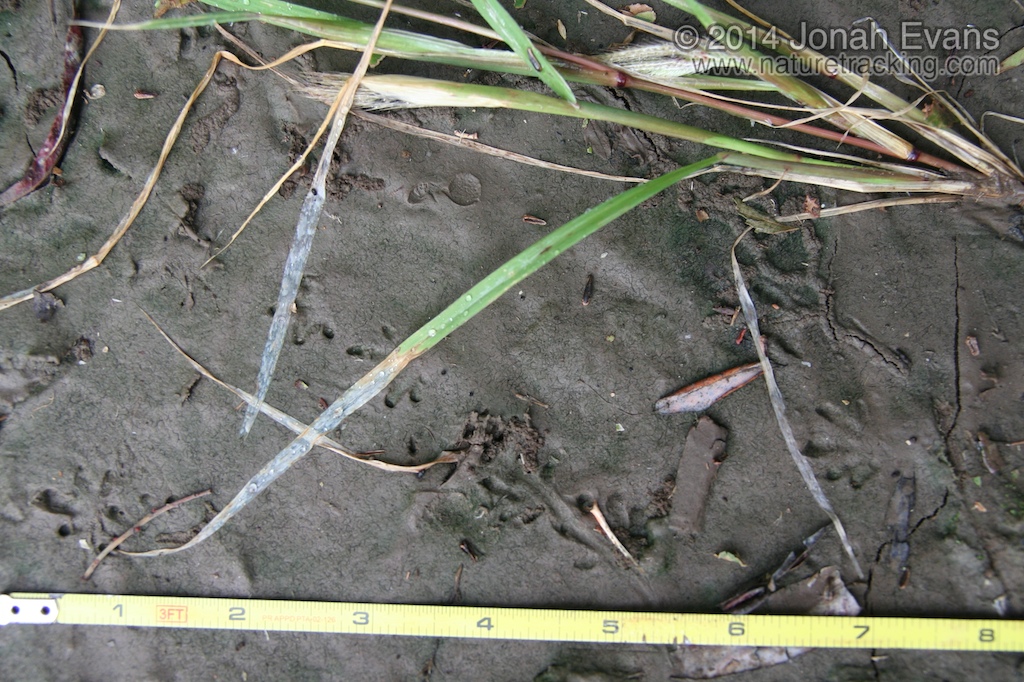
Tiger Salamander Tracks
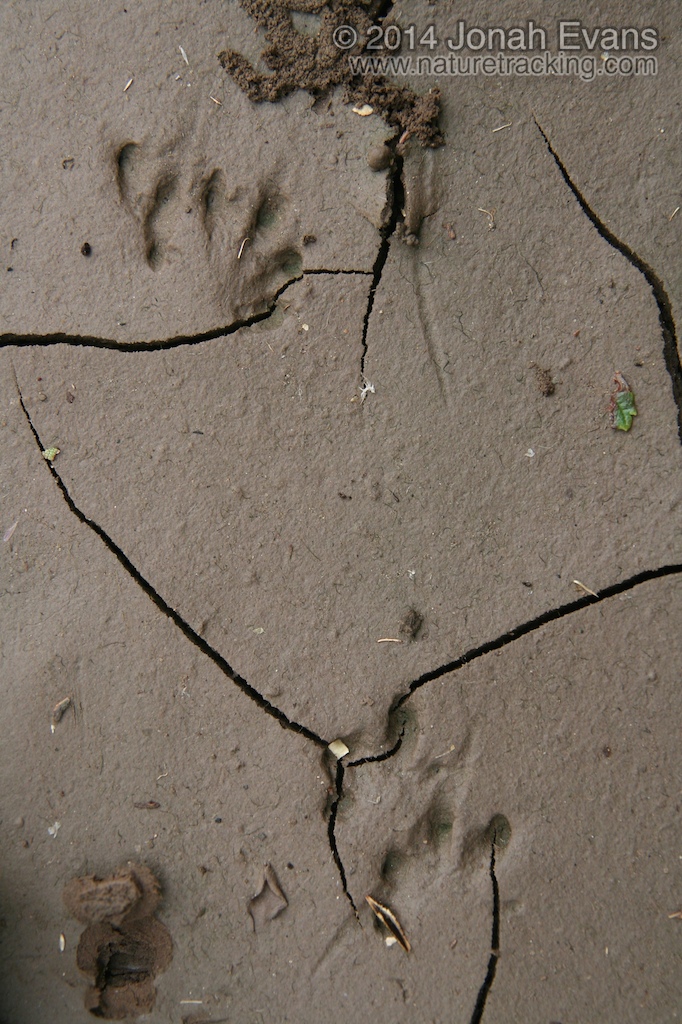
Tiger Salamander Tracks

Tiger Salamander Tracks

Tiger Salamander Tracks

Toad Scat

Toad Scat

Toad Scat

Toad Scat

Toad Swimming Tracks

Toad Tracks

Toad Tracks

Toad Tracks

Toad Tracks

Toad Tracks

Toad Tracks

Toad Tracks

Toad Tracks

Toad Tracks

Toad Tracks

Toad Tracks

Toad Tracks

Toad Tracks

Desert Tortoise Burrow

Desert Tortoise Burrow

Desert Tortoise Scat

Desert Tortoise Scat

Desert Tortoise Scat

Desert Tortoise Tracks

Desert Tortoise Tracks

Desert Tortoise Tracks

Turtle Eggs

Turtle Tracks

Turtle Tracks

Turtle Tracks

Turtle Tracks

Turtle Tracks

Turtle Tracks

Turtle Tracks

Turtle Tracks
Turtle Tracks

Turtle Tracks

Turtle Tracks

Turtle Tracks

Turtle Tracks

Turtle Tracks

Turtle Tracks

Western Diamondback Rattlesnake Bed

Western Diamondback Rattlesnake

Yellow Mud Turtle
Herp Tracks Gallery Full Species List
- Alligator Tracks
- Baby Green Sea Turtle Tracks
- Box Turtle Burrow
- Box Turtle Tracks
- Bullfrog Tracks
- Caiman Tracks
- Frog Tracks
- Frog Scat
- Horned Lizard Scat
- Horned Lizard Tracks
- Lizard Claw Marks
- Lizard Overstep Trot
- Lizard Bipedal Running Tracks
- Lizard Scat
- Lizard Tracks
- Sidewinder Tracks
- Snake Scat
- Snake Tracks
- Snapping Turtle Tracks
- Tiger Salamander Tracks
- Toad Scat
- Toad Swimming Tracks
- Toad Tracks
- Tortoise Burrow
- Tortoise Scat
- Tortoise Tracks
- Turtle Eggs
- Turtle Tracks
- Western Diamondback Rattlesnake Bed
- Western Diamondback Rattlesnake Tracks
- Yellow Mud Turtle
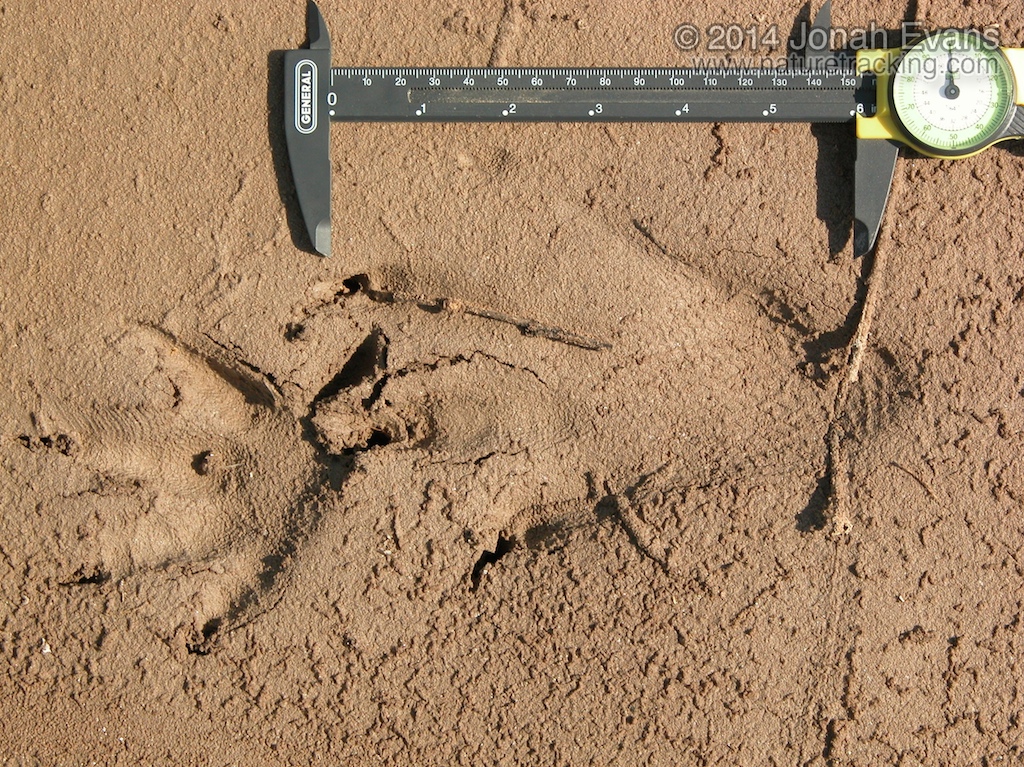
Alligator Tracks
Alligator tracks are very distinctive and rarely mistaken for anything other than beaver tracks. Unlike beavers, 5 toes show in front tracks and 4 show in the hinds. They also have a distinctively scaled appearance. Because crocodilians grow their entire lives, researchers have been able to correlate track size to body size. Hutton (1987) found that the body length (tip of nose to tip of tail) is about 14 times the length of the hind foot. Platt (2009) and found that the rear foot length (in mm) times 11.74 minus 7.4 gave the best results for crocodiles in Belize.
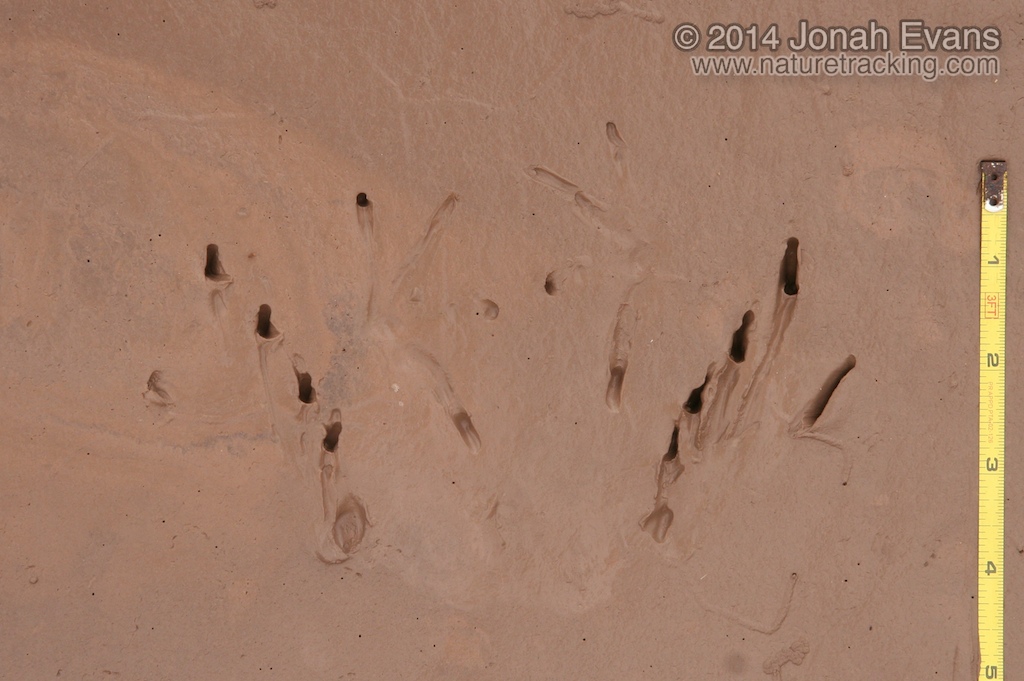
Bullfrog Tracks
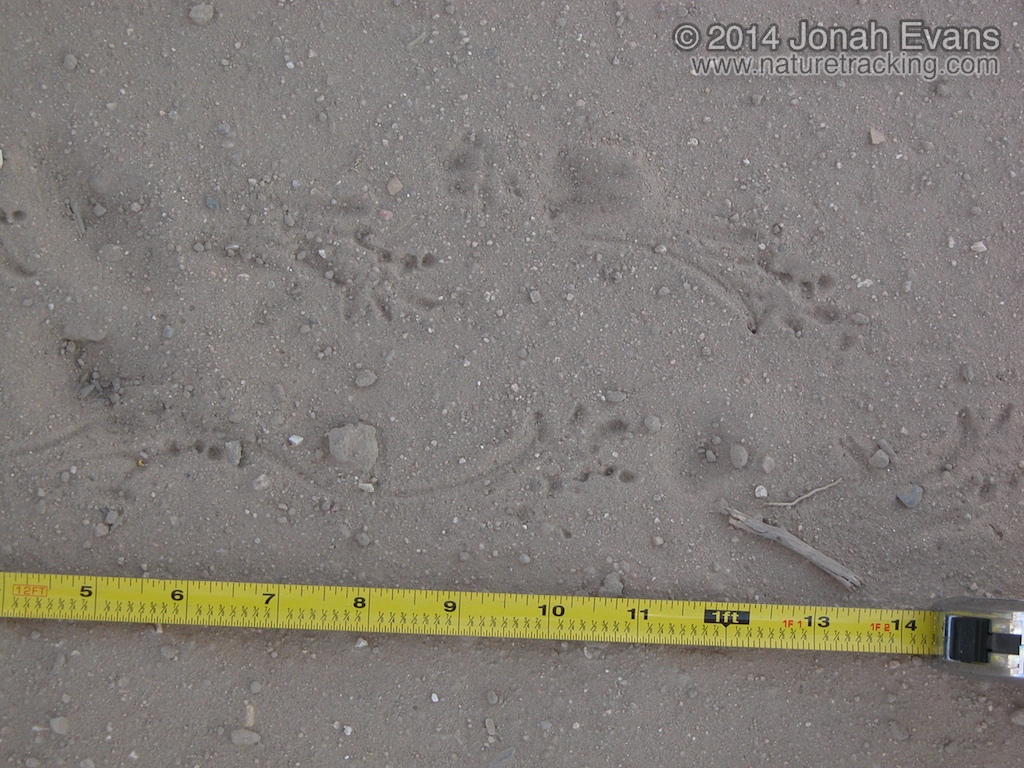
Toad Tracks
Anura is the order that includes frogs and toads. Frogs and toads both show 4 toes in front tracks and 5 in the hind tracks. When hopping, the front tracks often are found between the much larger hinds. The front feet tend to point inwards and form somewhat of a “K” shape. The 4 inner toes of the hind feet form a line sloping upward and outward. Toe 5 (the outermost toe) is short and points forwards (in lizards this toe points outwards).
Differentiating frog and toad tracks can be a challenge, but there are a few things to look for that can help. First, frogs usually hop and toads usually walk. However, I’ve seen numerous small desert toads hop constantly and I’ve watched a frog walk for a short distance. If you find a long walking trail of an anuran, it’s probably a toad. Second, toads tend to have relatively short and thick toes while frog toes tend to be long and thin.
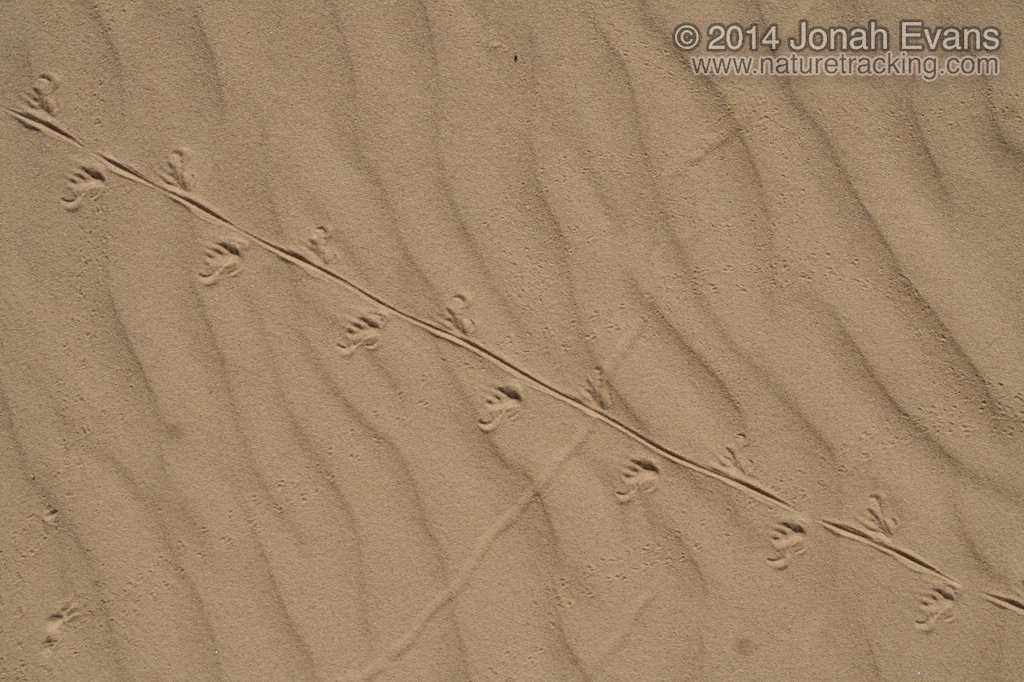
Lizard Tracks
Lizard tracks are often identified more easily from tail drags than footprints. Lizard tails leave relatively straight and thin lines that are quite distinctive from the tail drags of other species such as kangaroo rats. If you see a long tail drag with alternating blurry feet marks on each side, it’s likely a lizard.
Lizard tracks show 5 toes on the front and hind feet. The front feet are usually much smaller than the hinds and the toes are usually short and symmetrically arranged on the foot. On the hind feet, toe 4 (the ring finger) is the longest and toe 5 (the outermost toe) points distinctly outward.
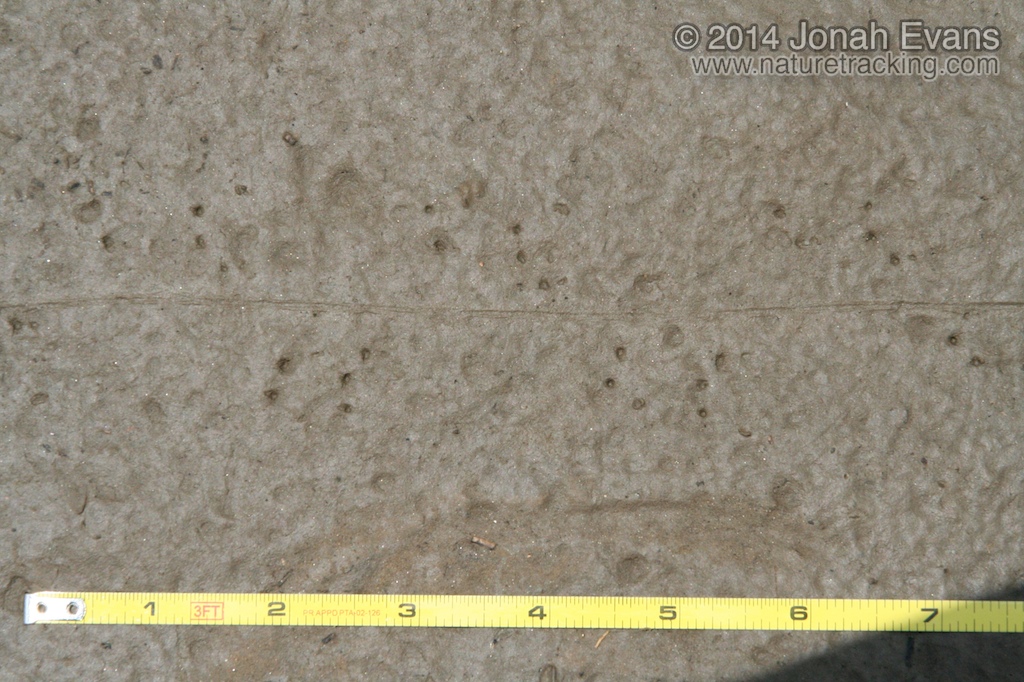
Salamander Tracks
Salamander tracks show 4 toes in the front tracks and 5 in the hinds. Toes are usually symmetrically arranged and are generally all about the same length. Front and hind feet are about the same size. Lizards have a noticeably long toe 4 (ring finger) on the hind feet, which are also much larger than their front feet.
Salamanders tend to use a slow understep walking pattern and any tail drag usually undulates from side to side. Meanwhile, lizard often trot, leaving far fewer tracks than a salamander, and lizard tail drags are generally straight.
Snake Tracks
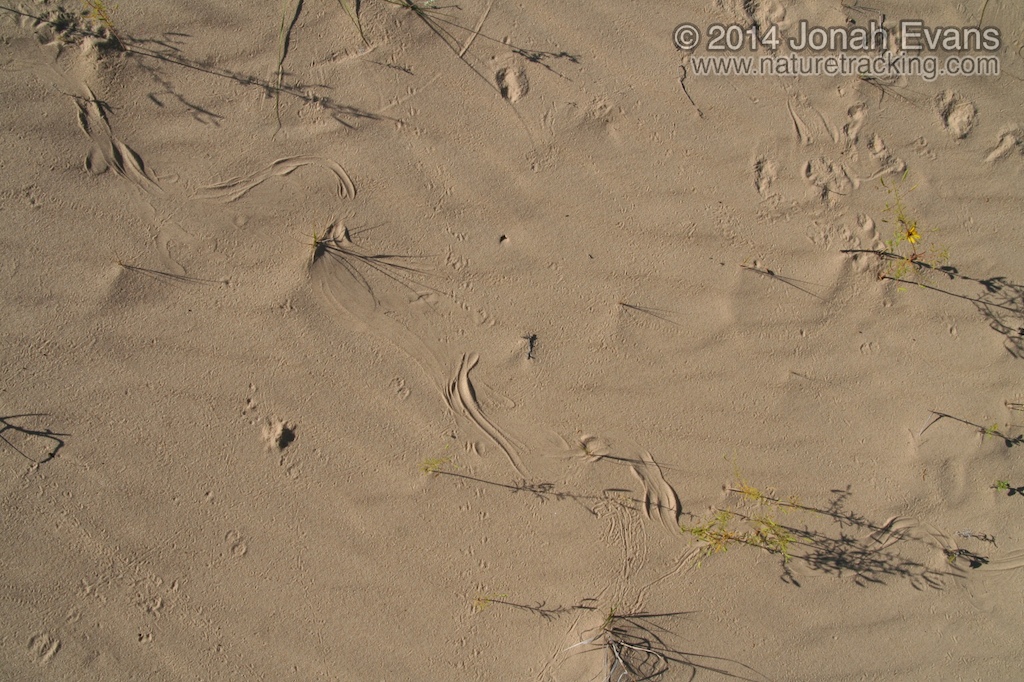
Snake tracks usually looks like a sinuous shiny smudge on the ground. It is possible to tell the direction a snake is traveling for looking how the substrate is pushed away from the direction of travel in the curves of the trail. There is very little published on identifying snake tracks to the genus or species level.
Turtle Tracks
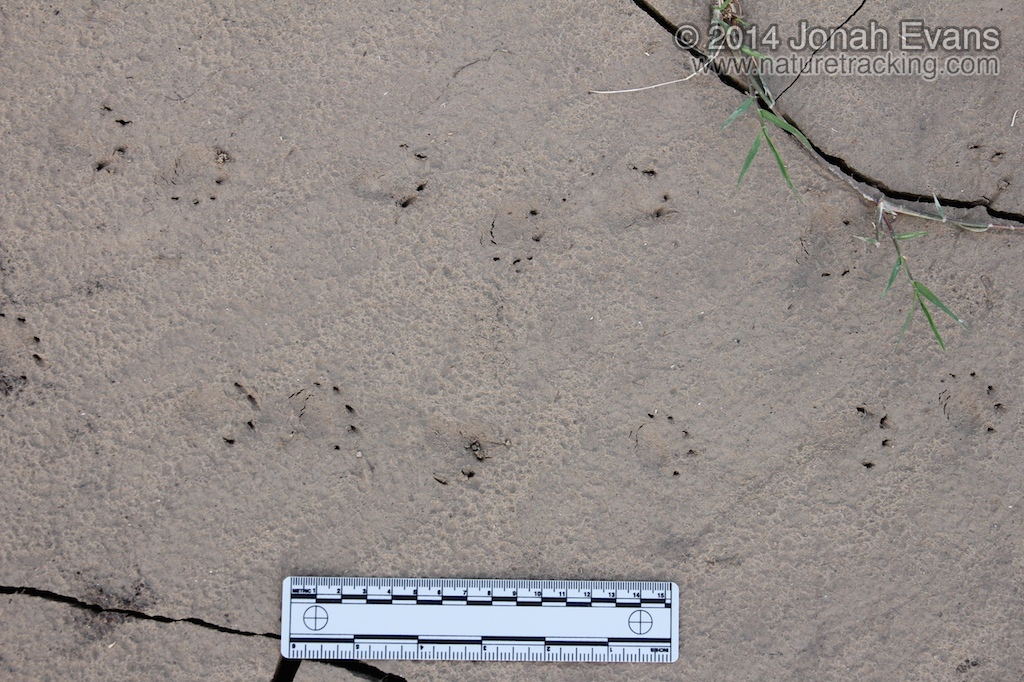
Turtle tracks are very distinctive and easily identified. Because turtles almost always understep walk (hind foot landing behind the front), they take very short steps and leave an almost continuous line of tracks on each side fo the body. This creates an almost “tank tread” like appearance.
Turtles have large claws and 5 toes on front and hind feet, though usually 4 toes show in hind tracks.
The following images are the recent reptile and amphibian track observations from the North American Animal Tracks Database. This is an iNaturalist project where trackers share observations and help each other learn about animal tracks, all while contributing to scientific research.
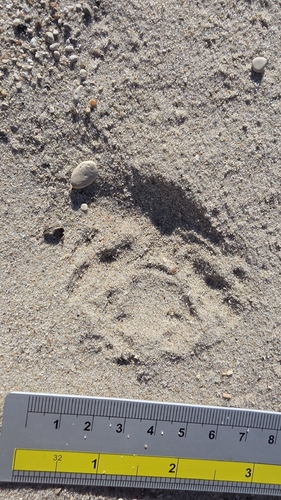
Northern Leopard Frog
medium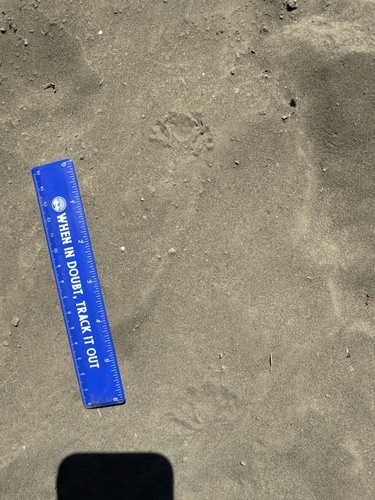
medium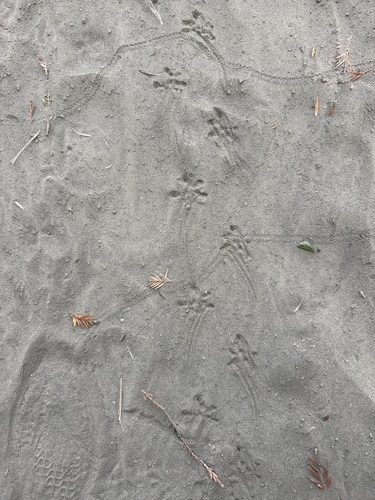
Frogs and Toads
medium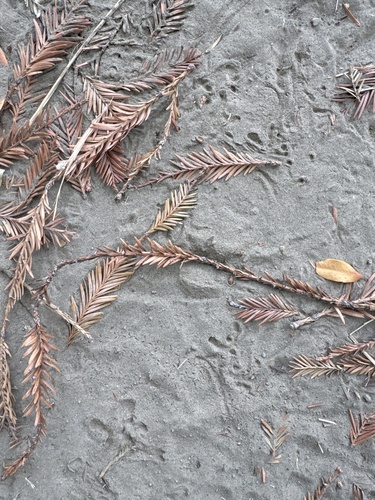
Frogs and Toads
medium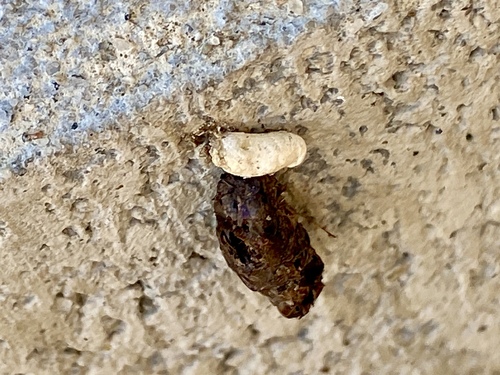
Lizards
Scat.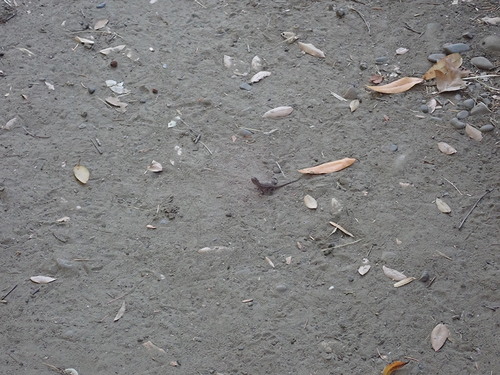
Western Fence Lizard
Fence lizard and the tracks it made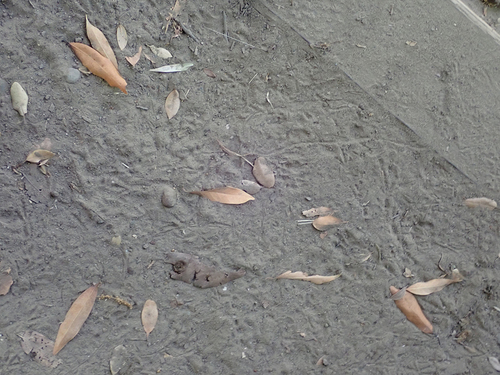
Lizards
tracks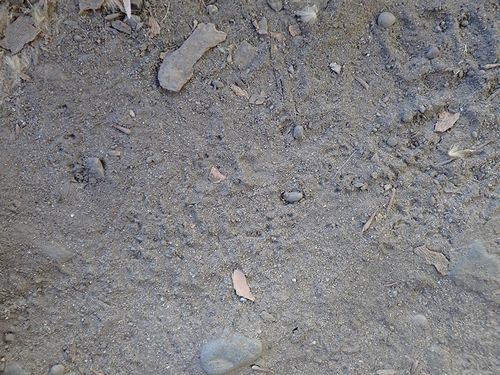
Lizards
tracks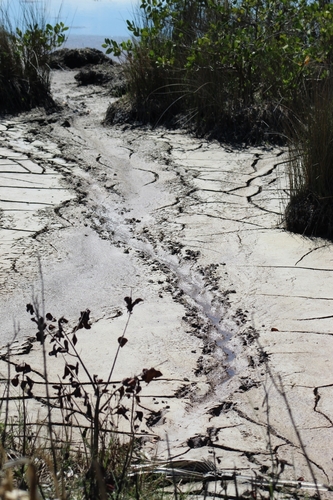
American Alligator
Tracks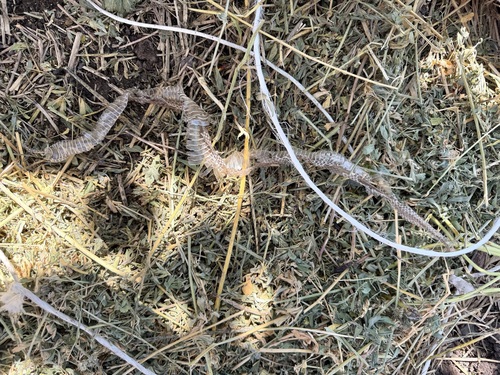
Snakes
Shed snake skin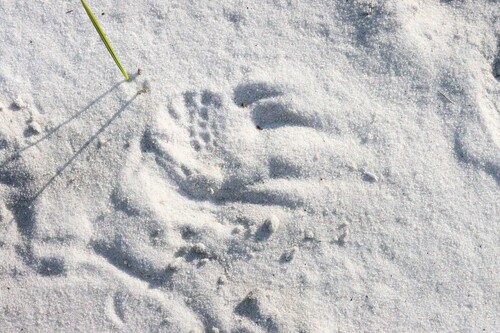
Gopher Tortoise
medium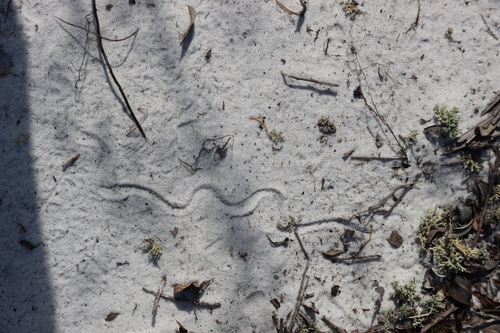
Florida Sand Skink
medium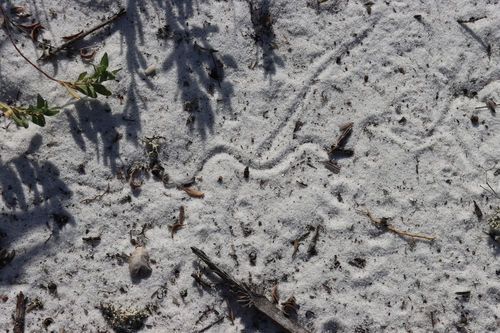
Florida Sand Skink
medium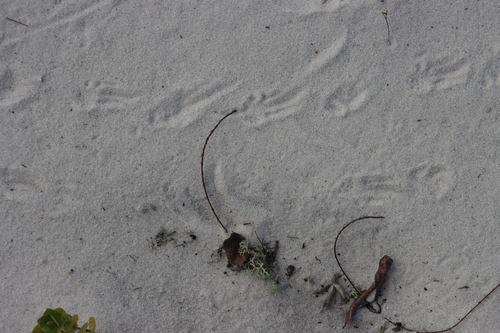
Gopher Tortoise
Young Gopher Tortoise tracks.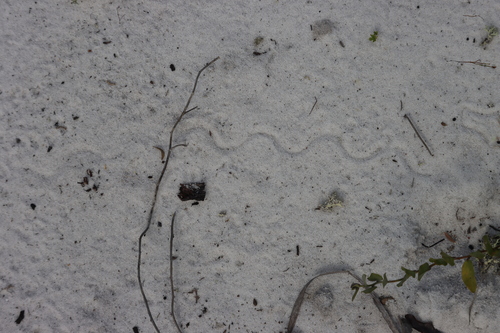
Florida Sand Skink
medium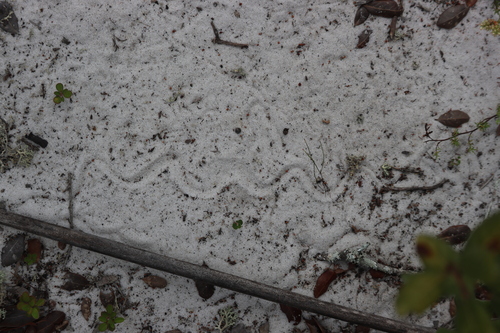
Florida Sand Skink
medium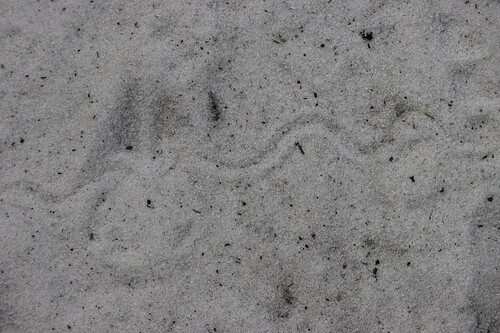
Florida Sand Skink
medium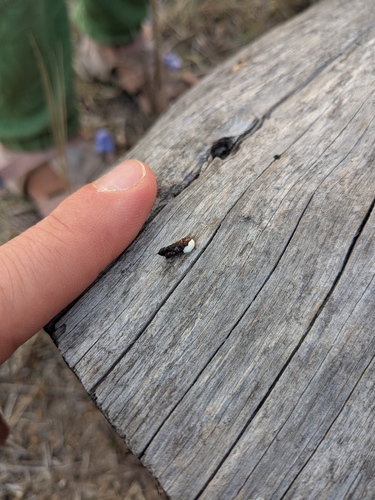
Prairie Skink
Scat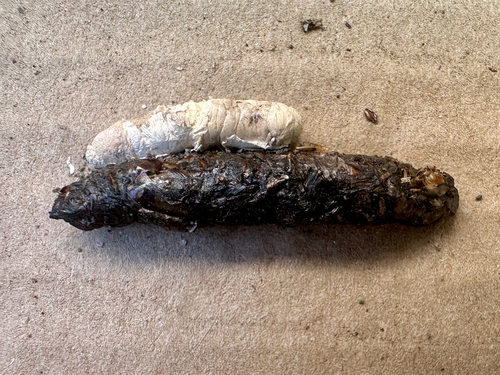
Southern Alligator Lizard
medium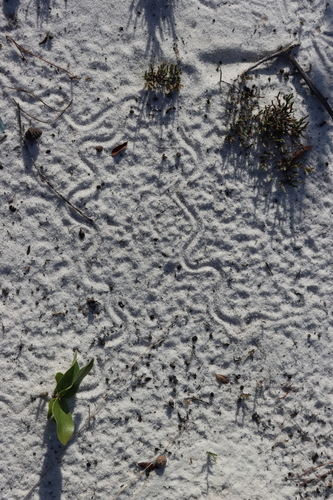
Florida Sand Skink
medium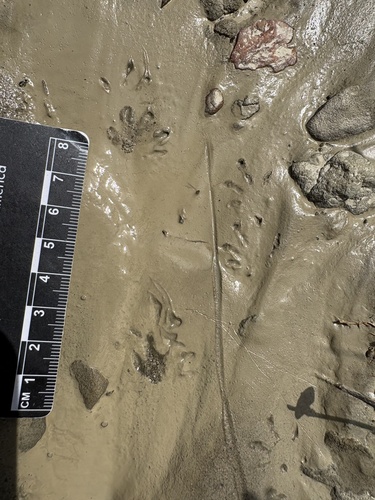
Western Tiger Salamander
medium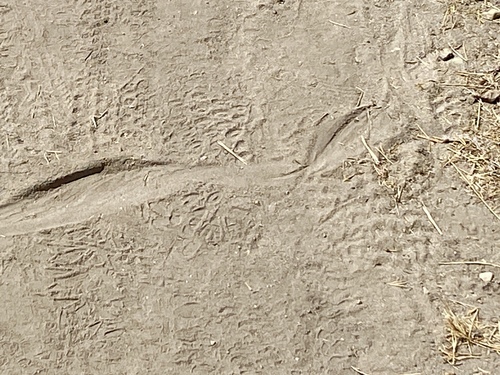
Snakes
Observed a long, slender fast-moving reddish colored snake emerge from the grass and quickly cross the trail leaving this track. Unfortunately unable to capture photo of the snake due to its speed. Snake was around 4 feet long. Guessing the snake was a Red Coachwhip due to red coloration, length and rapid movement.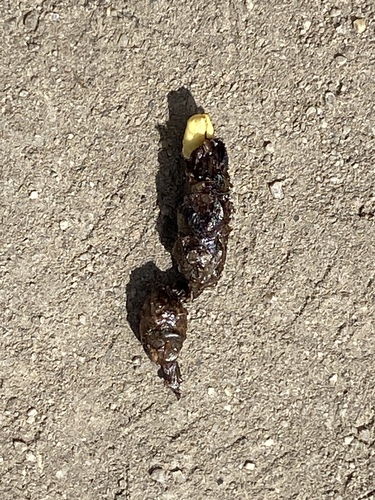
Lizards
Observed Lizard scat.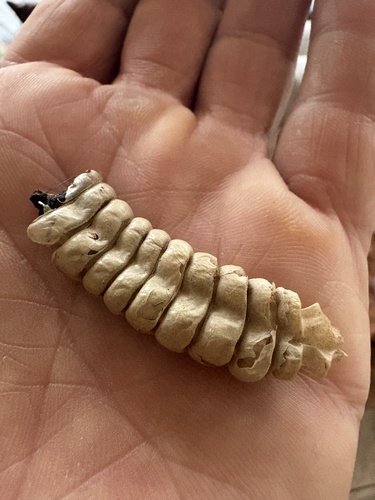
Prairie Rattlesnake
medium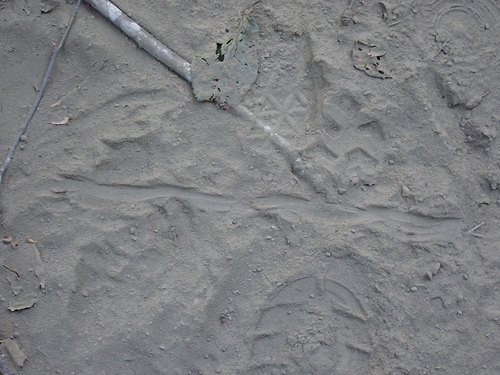
Snakes
tracks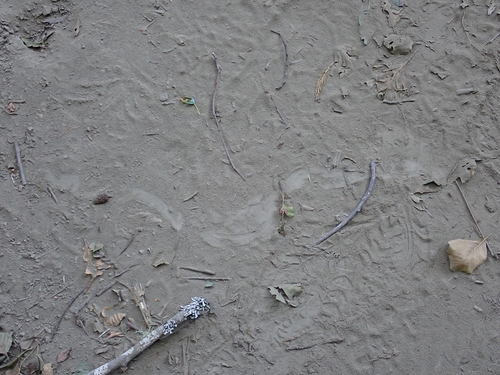
Snakes
tracks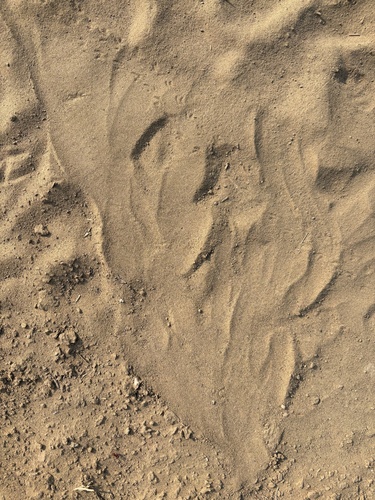
Snakes
medium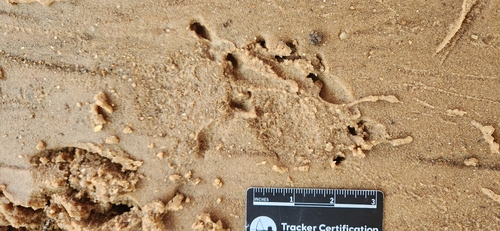
Common Snapping Turtle
medium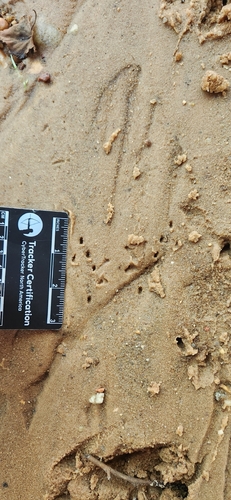
American Bullfrog
medium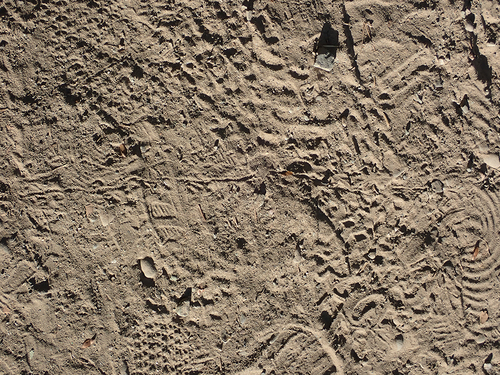
Lizards
tracks


Tracks and Sign of Reptiles and Amphibians is the only book dedicated to identifying reptile and amphibian tracks in North America. Filip Tkaczyk does a fantastic job explaining the little-explored world of herp tracks.
In this book you will find photos and life-size track drawings of turtle, frog, toad, lizard, salamander, snakes, and more. This book is the 4th in Stackpole’s ground-breaking series of tracking books that include Bird Tracks and Sign, Mammal Tracks and Sign, and Tracks and Sign of Insects and other Invertebrates.

Animal Tracks and Scat of California is a regional guide, but many of the species are found throughout North America. This guide includes mammals, birds, and even some reptiles, amphibians, and invertebrates. It is a great general tracking guide (full disclaimer: I am a co-author of this guide) and is a great bet if you want a single guide that covers more than just mammals. This book also has some helpful sections not found in Bird Tracks and Sign including a quick reference to life sized bird tracks.


Wildlife of the Pacific Northwest is a regional guide written by my friend and excellent tracker David Moskowitz. While the book primarily focuses on the Northwest, a lot of information applies nationwide. This tracking guide includes mammals, birds, reptiles, amphibians, and invertebrates. It dedicates an entire 32 pages specifically to birds. The guide also contains excellent original artwork by Dave and some incredible photography.
Looking for other animal tracks? Use these links to find track & sign photo galleries for mammals, birds, and invertebrates.
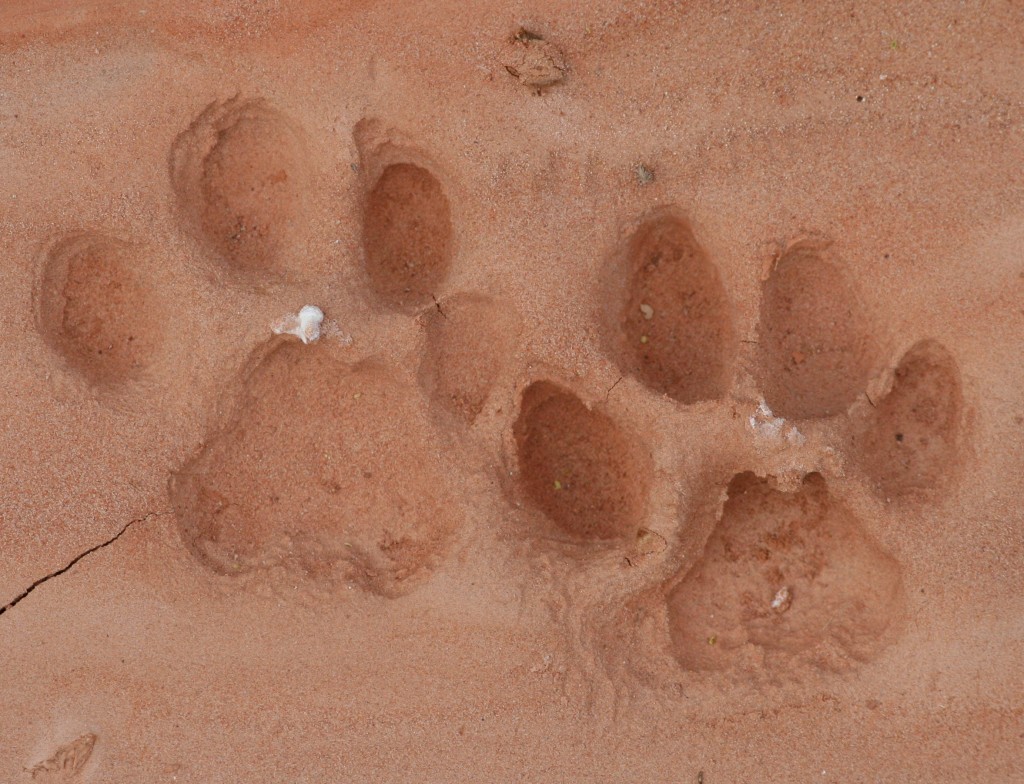
Mammal Tracks
Bobcat Right Front (on left) and Right Hind Tracks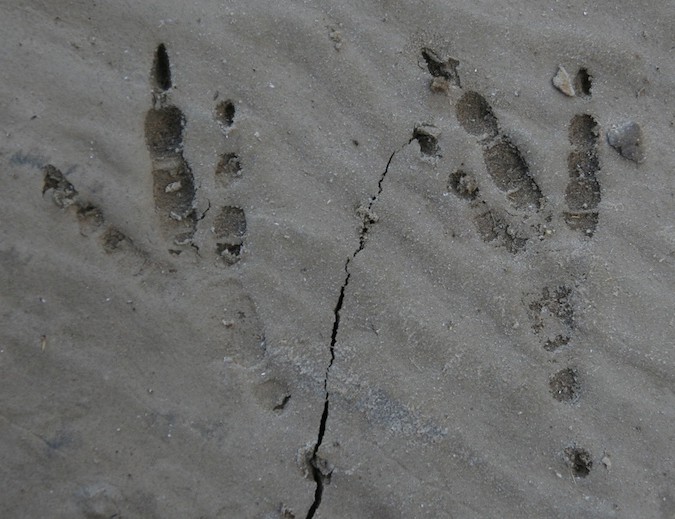
Bird Tracks
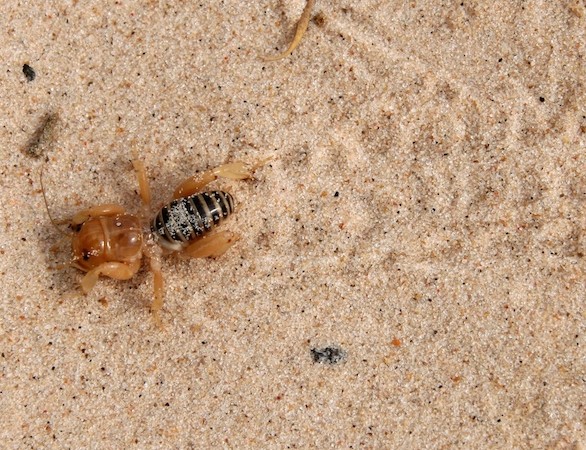
Invert Tracks
